.jpg)
Call: 973-208-0110
Email: fay@goacs.com
Call: 973-208-0110
Email: fay@goacs.com

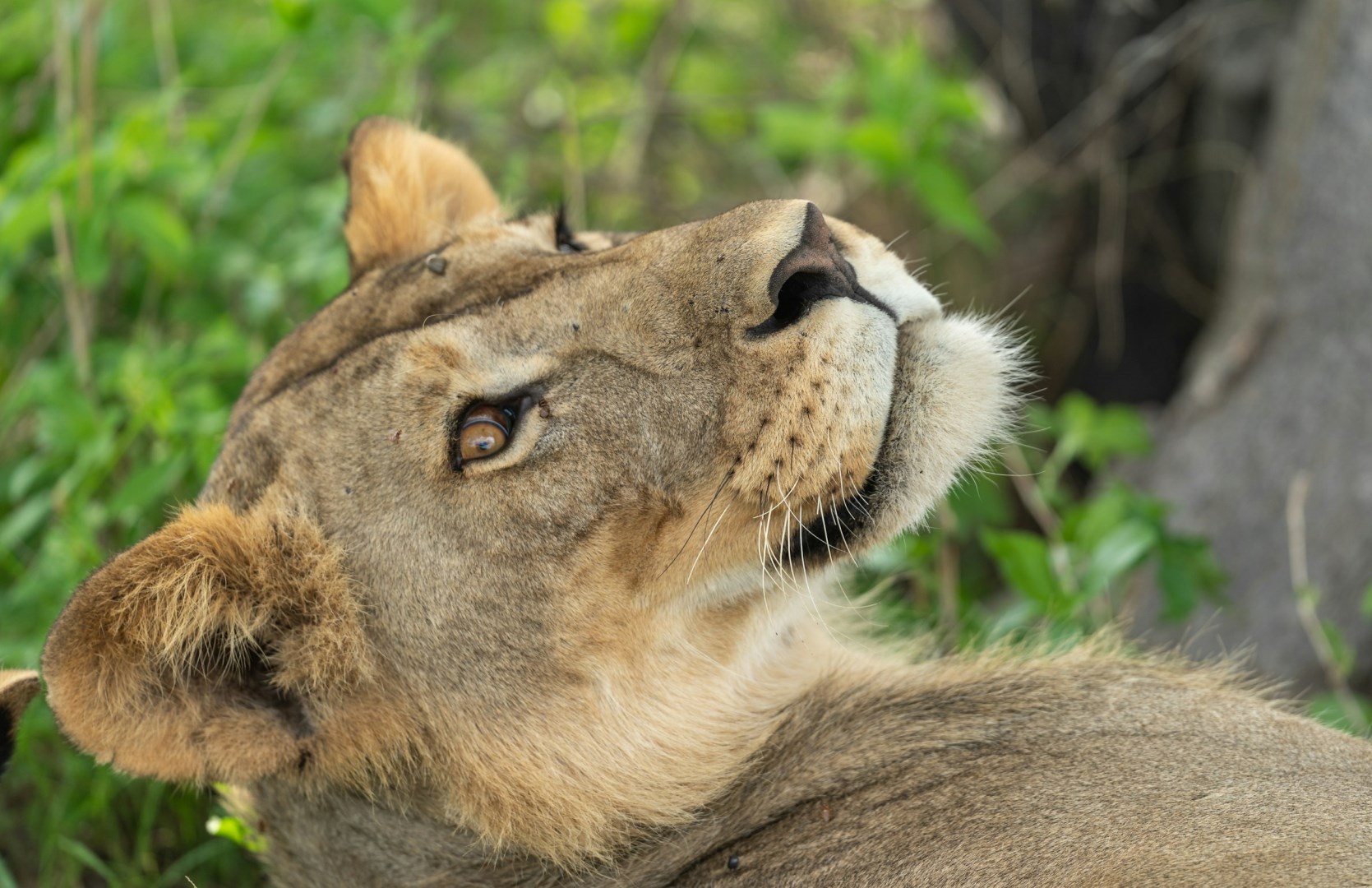
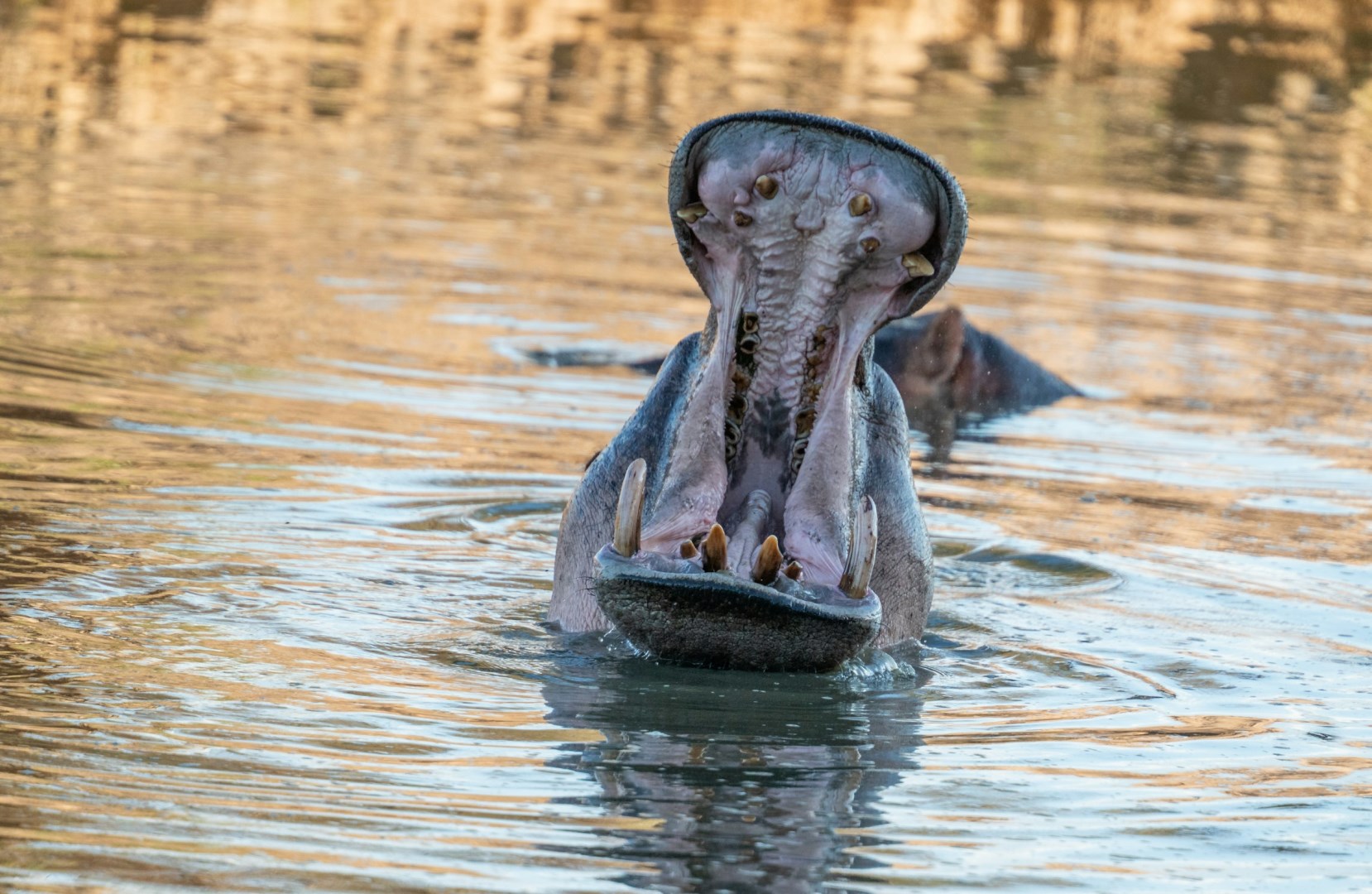
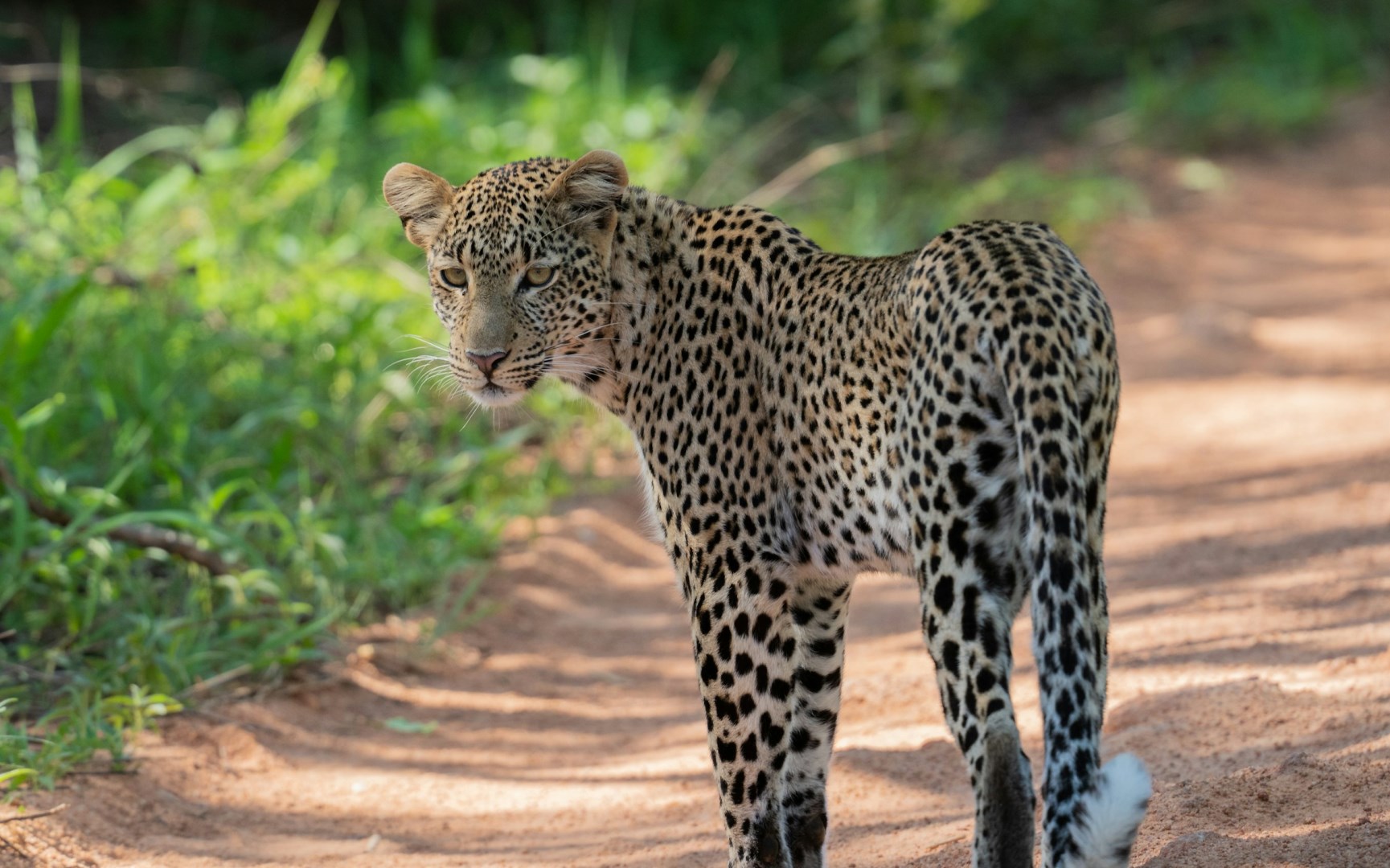
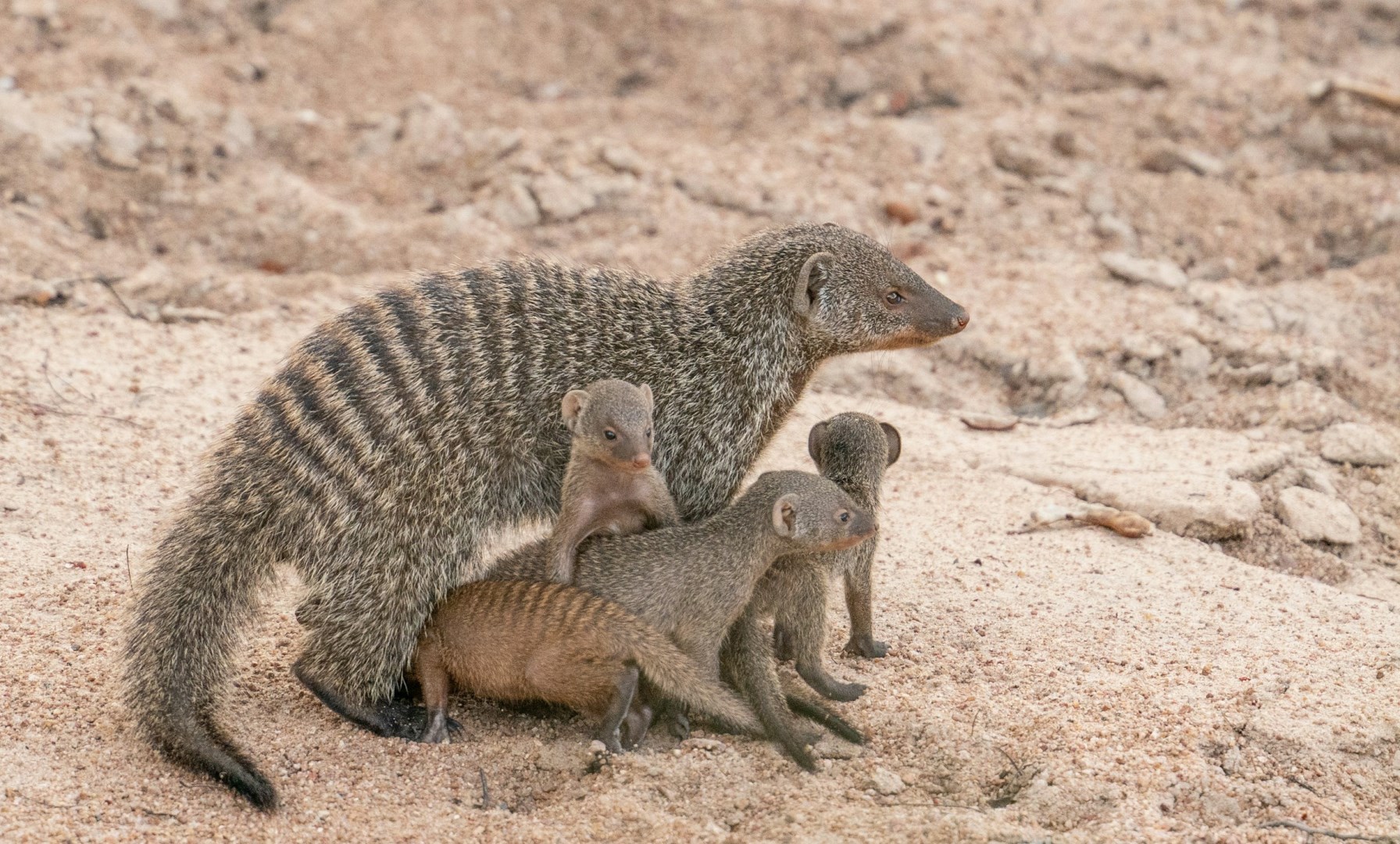
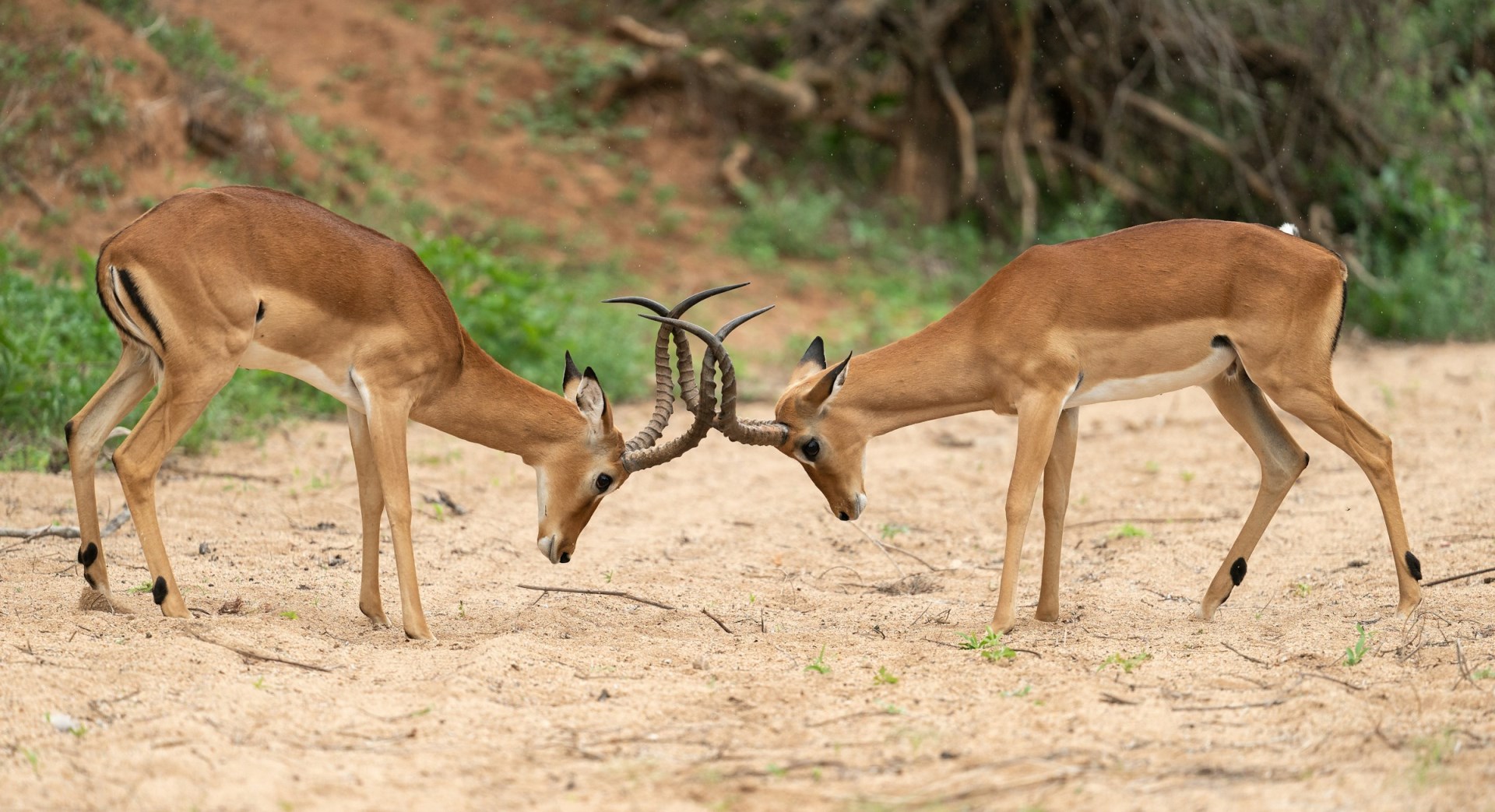
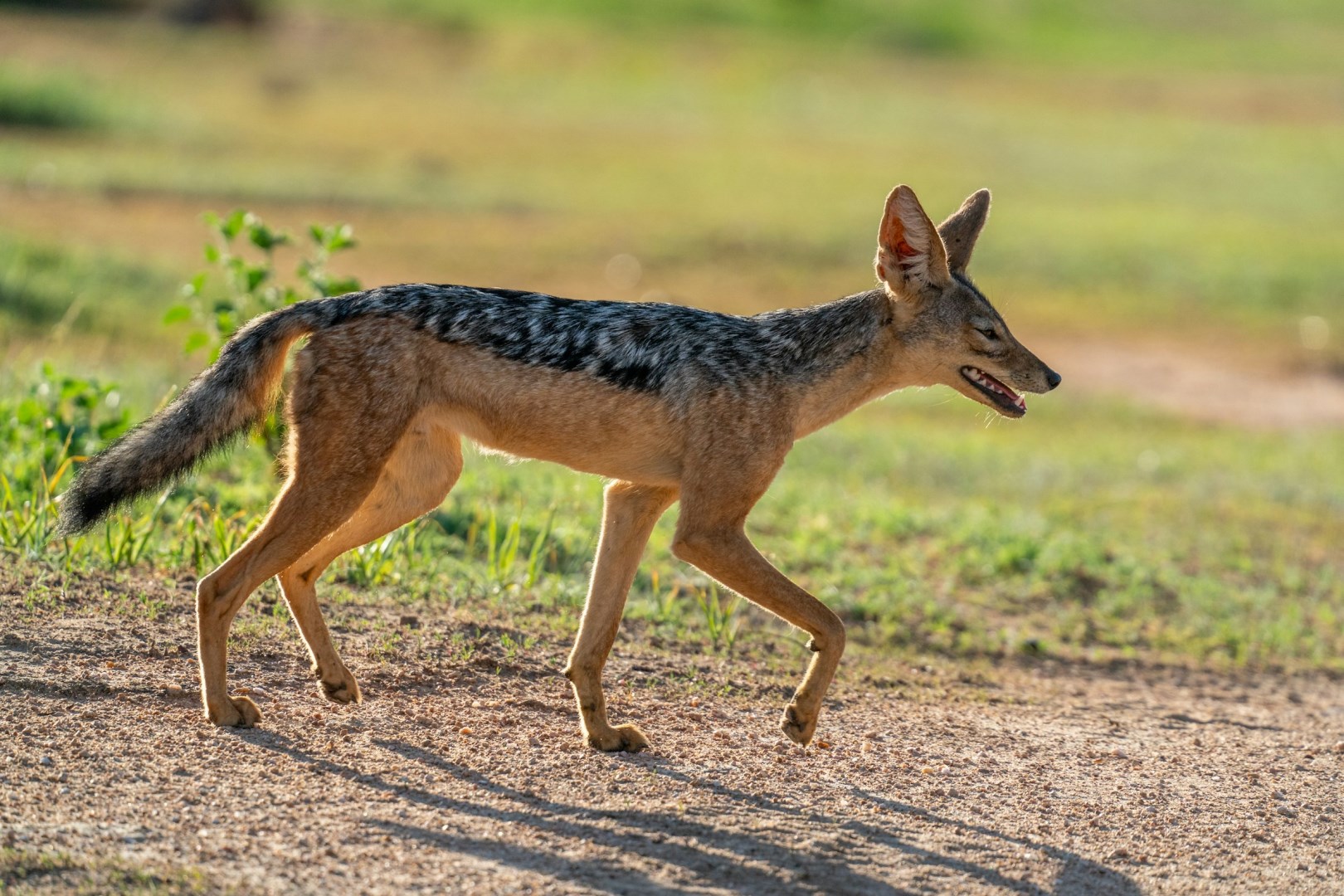
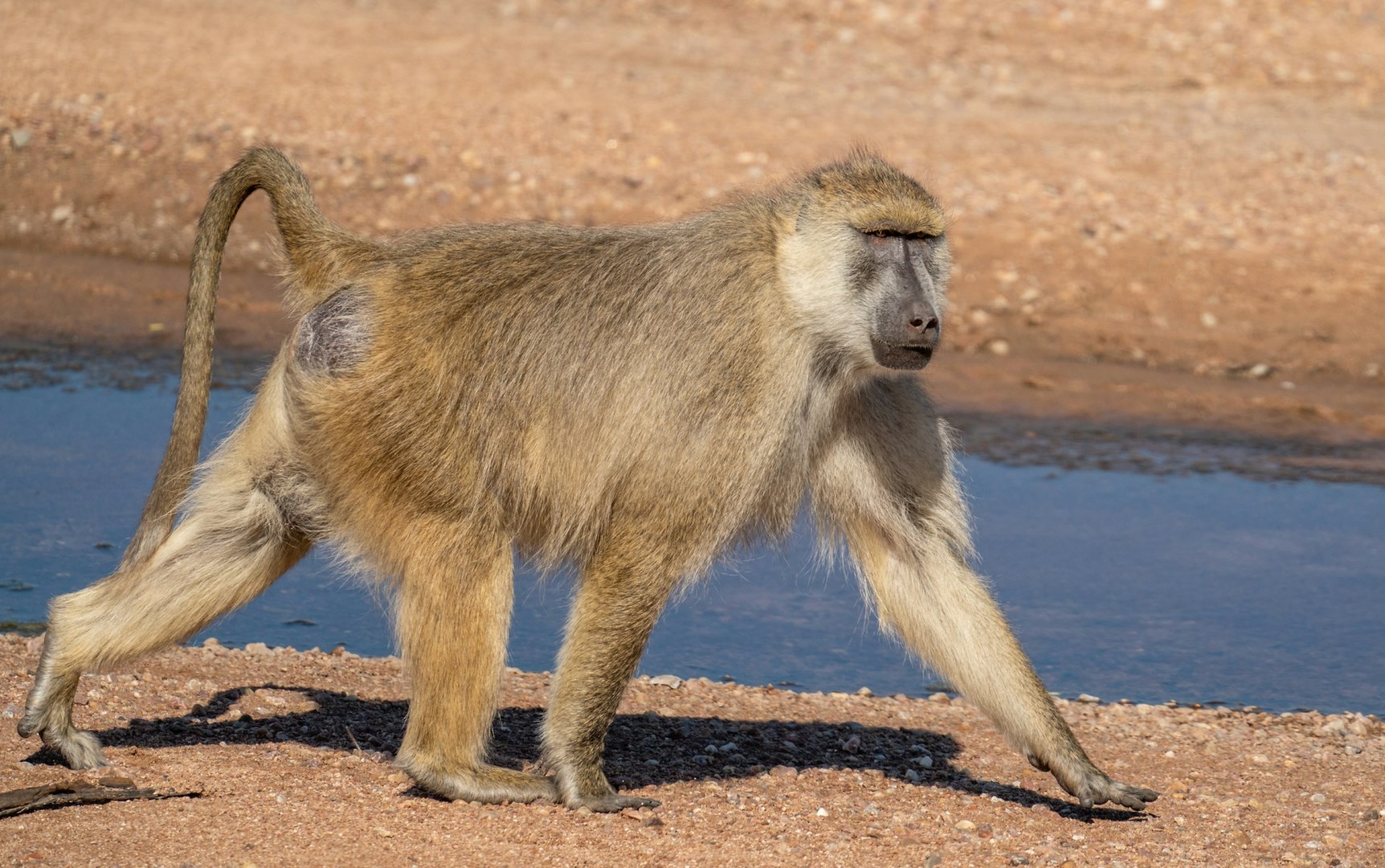
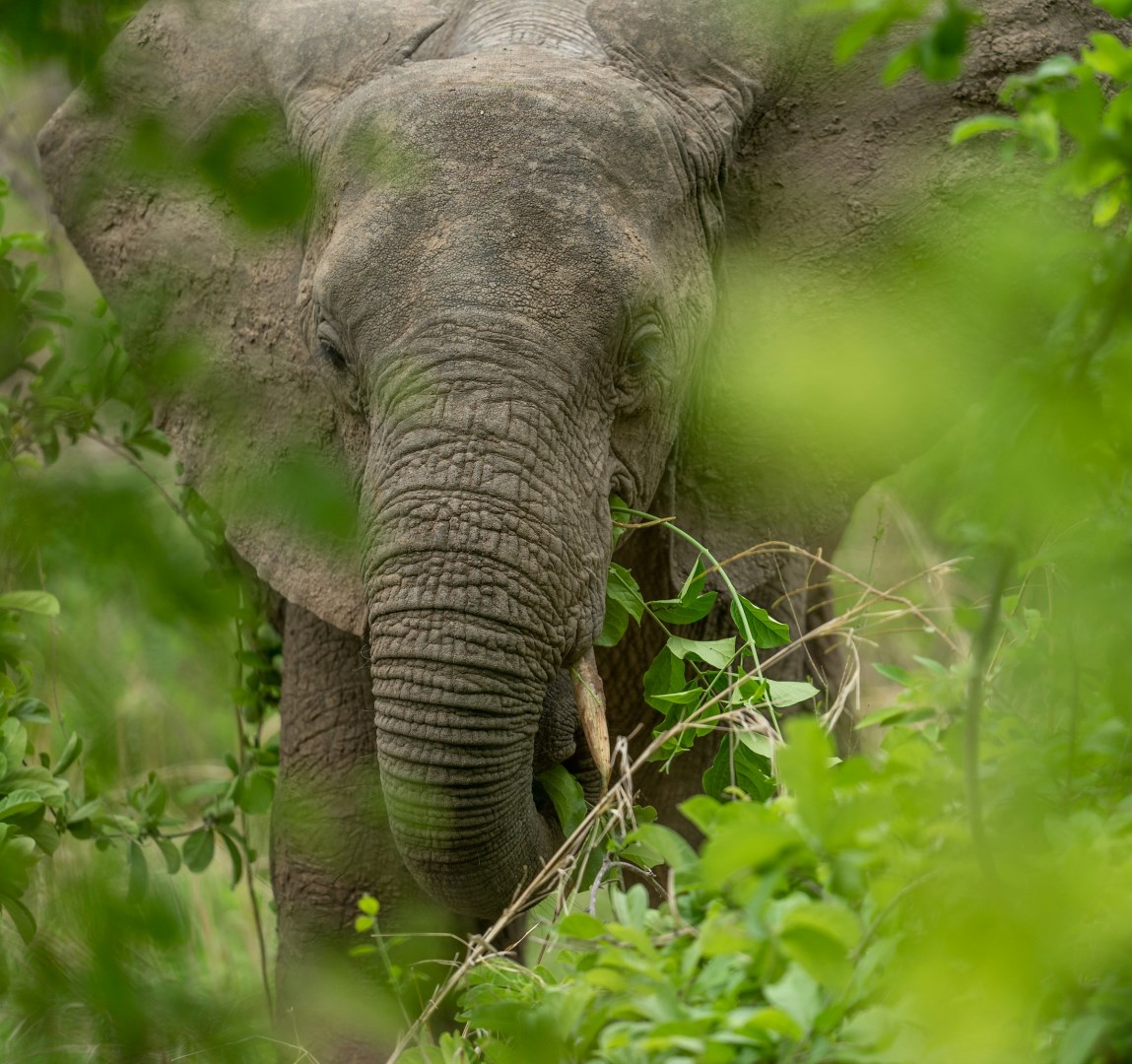
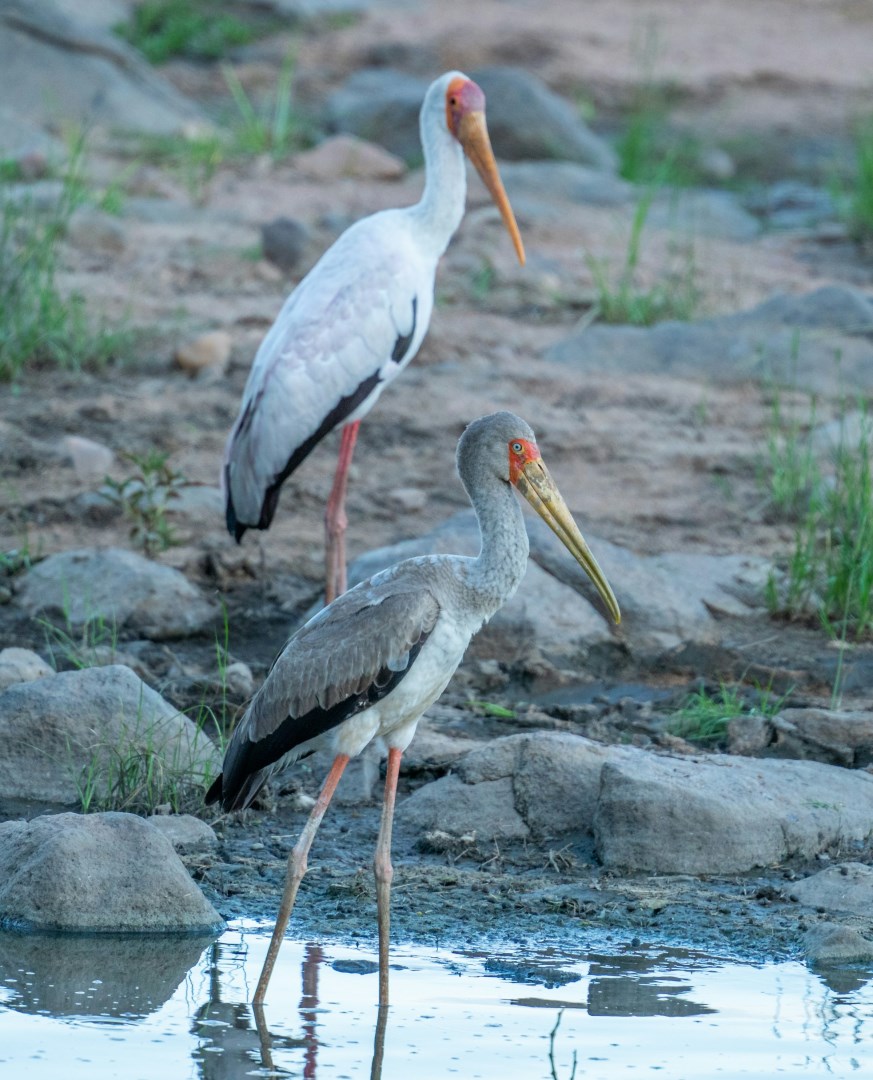
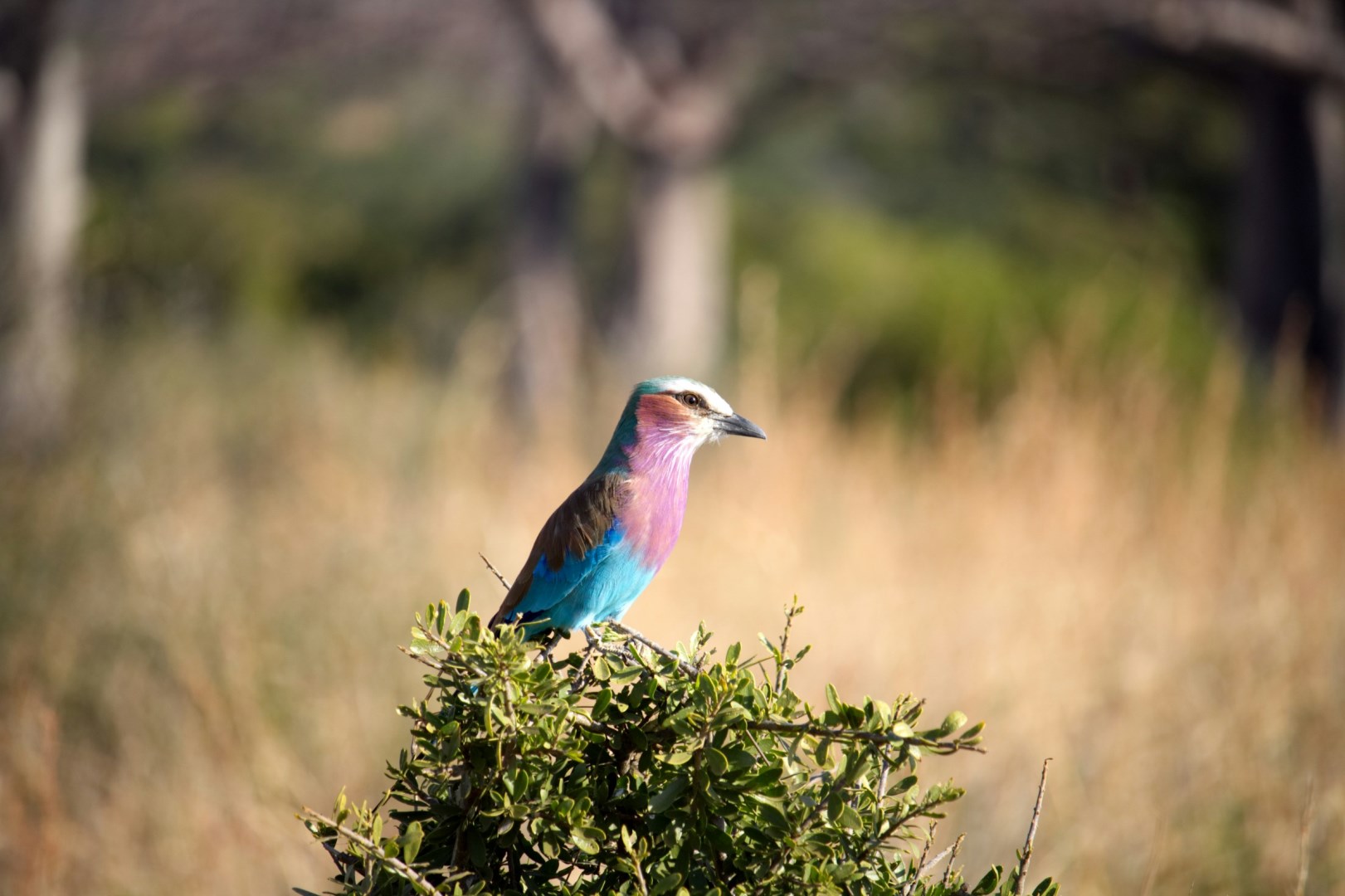
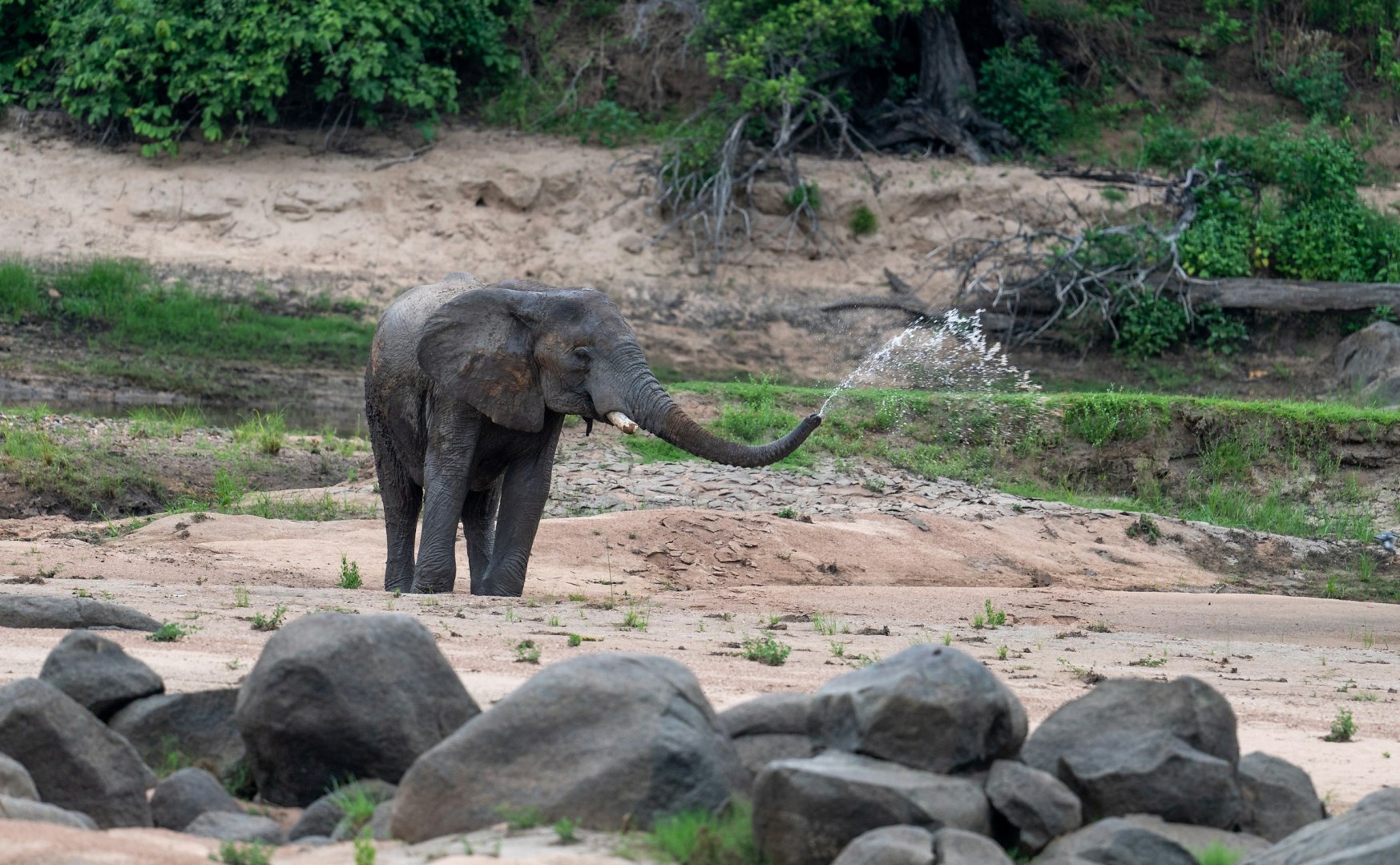
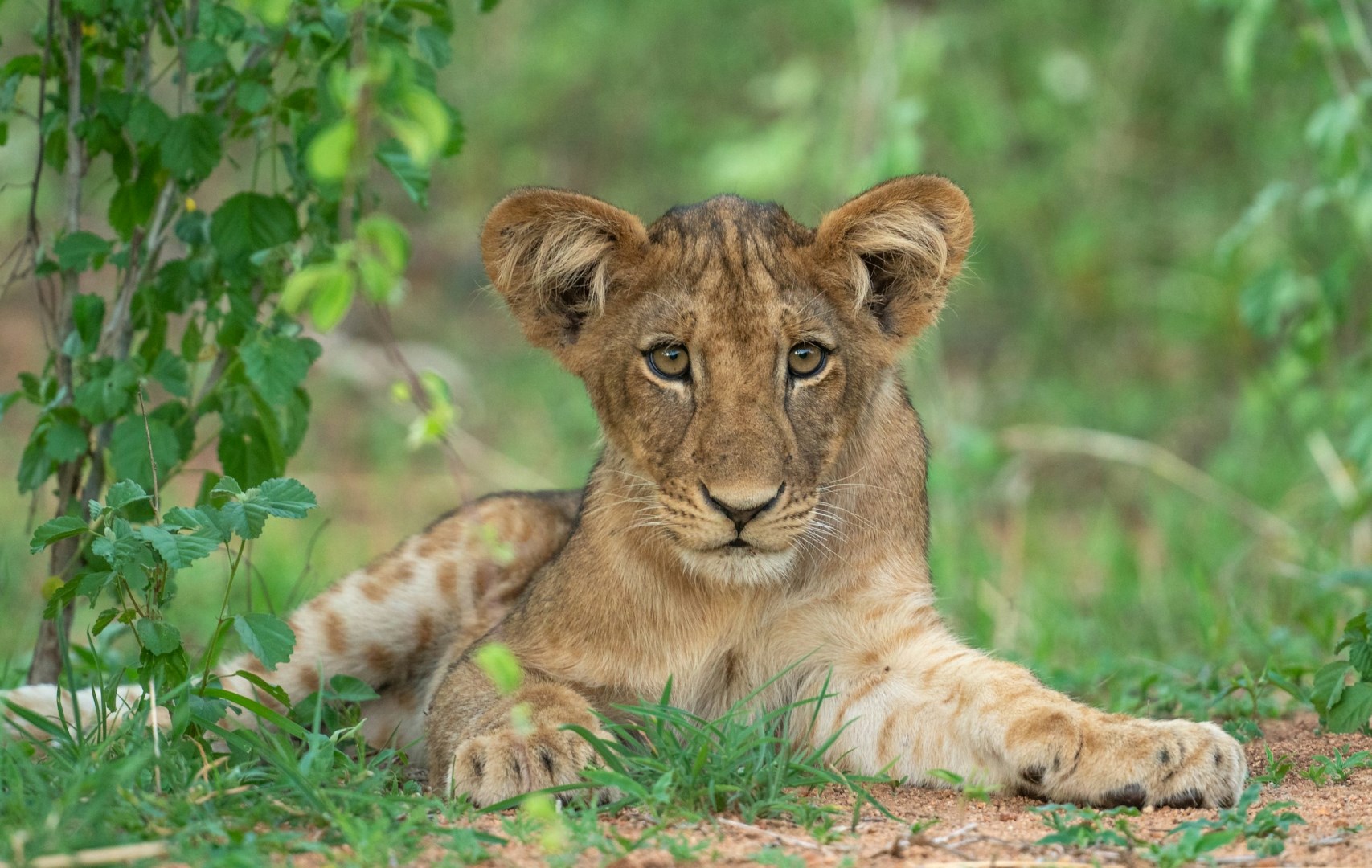
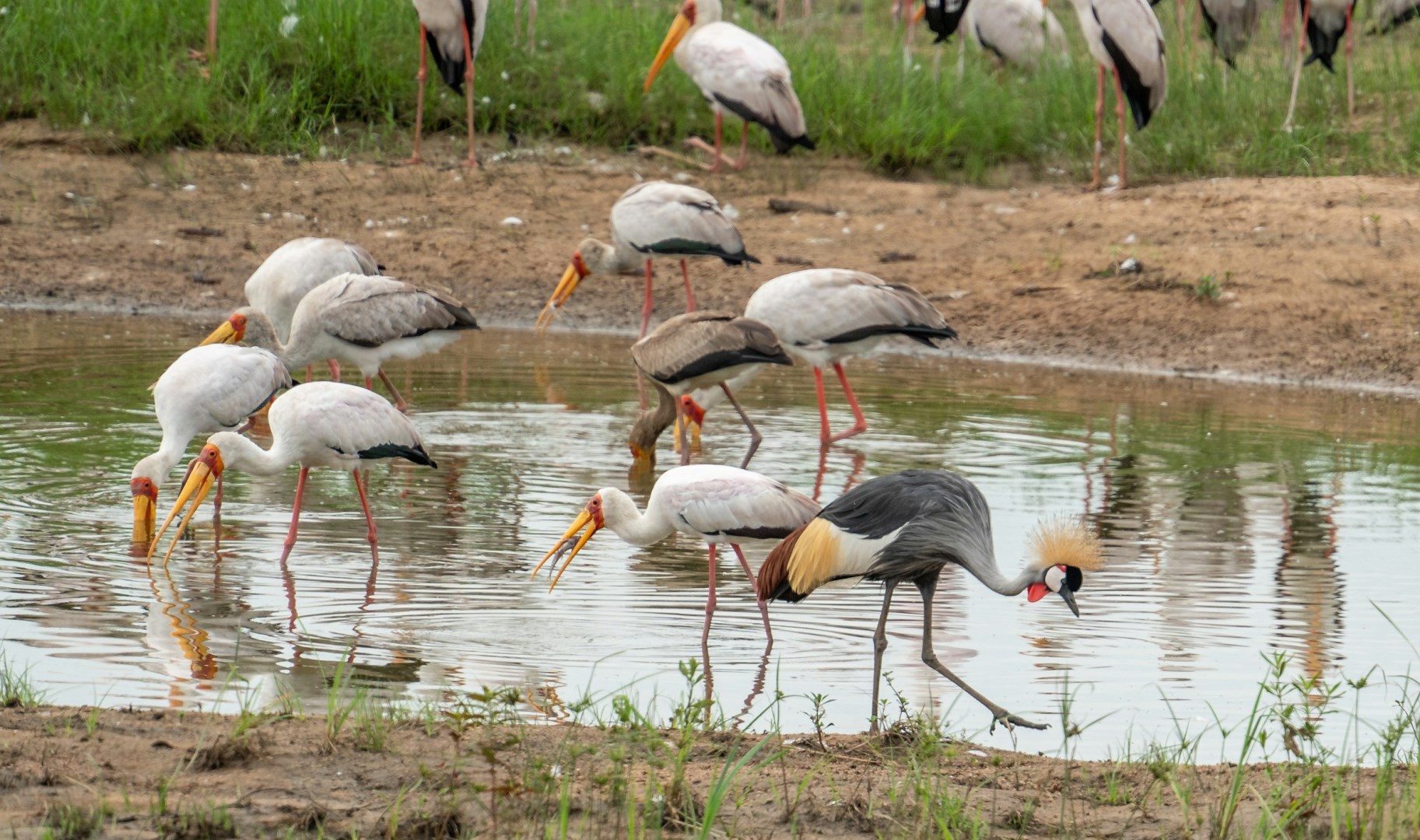
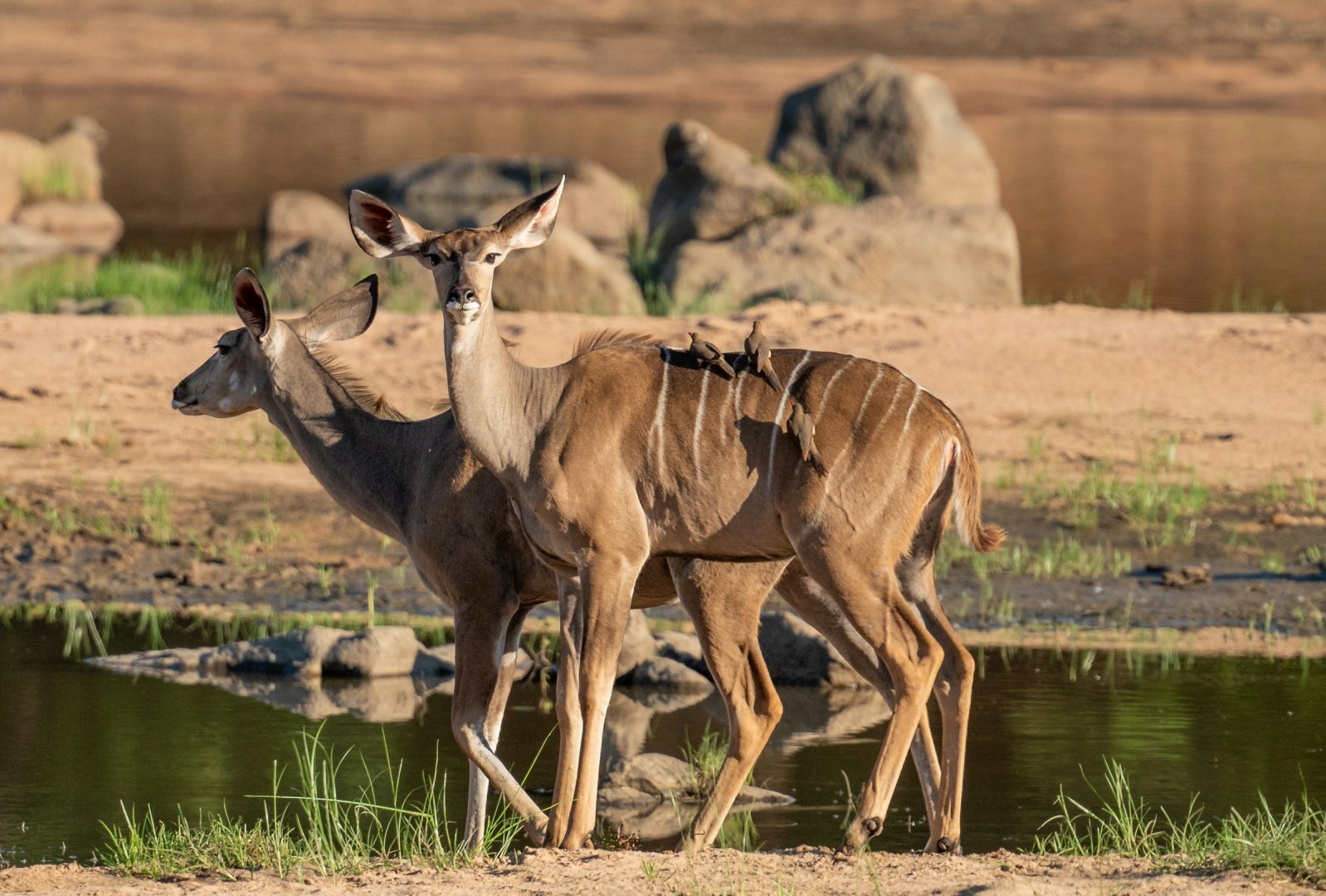
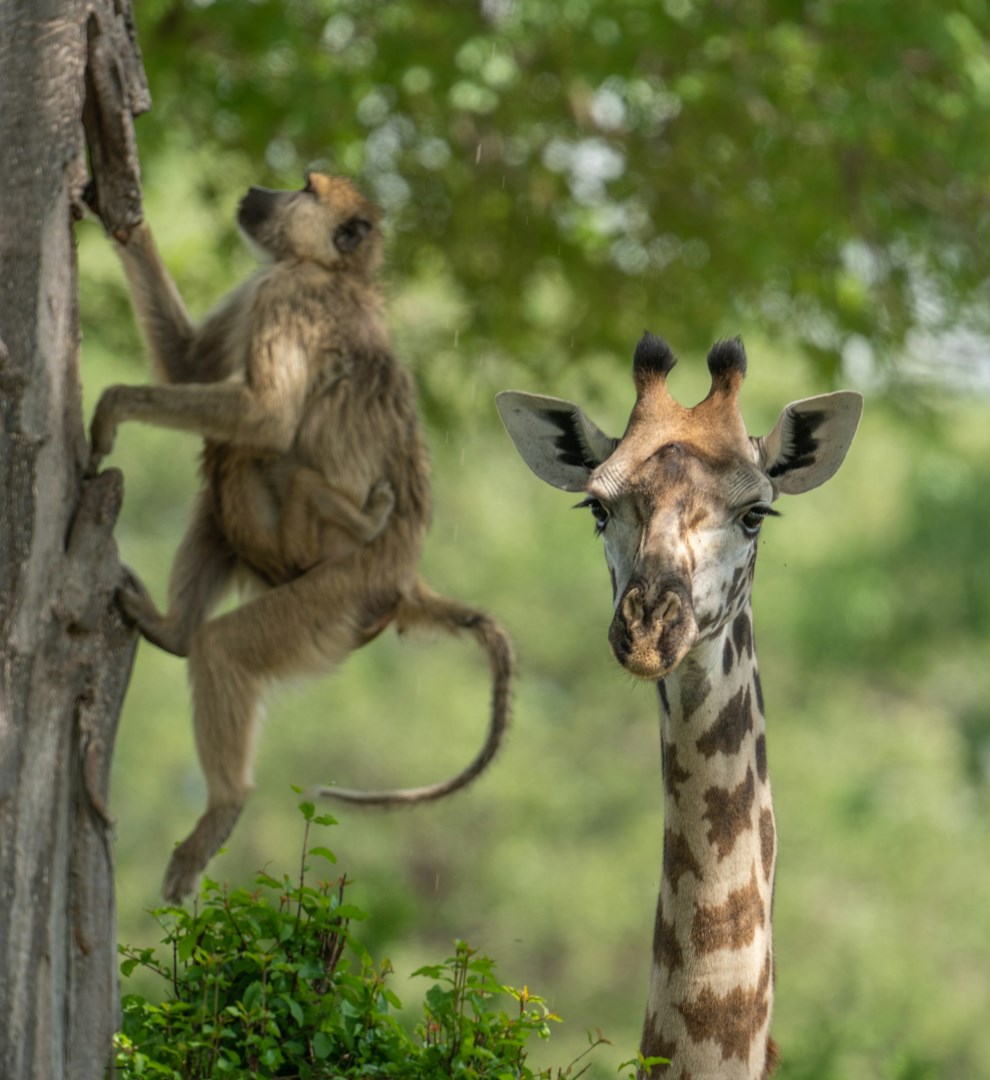
Ruaha National Park is a vast protected area in south-central Tanzania, covering about 20,226 square kilometres. The park is defined by a varied landscape of open savanna, miombo woodland, rocky hills, seasonal rivers, and large baobab trees. The Great Ruaha River forms one of its most important natural features, providing water and supporting wildlife across the surrounding plains. Ruaha also lies where eastern and southern African wildlife communities overlap, giving the park an unusual combination of habitats and species. Its large size and relatively remote setting create an extensive wilderness landscape.
Ruaha has long been associated with wildlife conservation in southern Tanzania and forms part of a much larger ecosystem extending beyond the park boundaries. The area is also connected with communities living around the park, including people whose livelihoods involve farming, livestock keeping, and other rural activities. Conservation programmes include anti-poaching work, habitat protection, ecological monitoring, and cooperation with neighbouring communities. The name Ruaha comes from the Hehe word “Luhava,” meaning river, referring to the Great Ruaha River that runs through the wider landscape and remains central to the park’s ecology.
The park supports large populations of elephants and buffalo, as well as lions, leopards, cheetahs, spotted hyenas, and African wild dogs. Greater kudu, lesser kudu, sable antelope, and roan antelope are among its notable species. During the dry season, wildlife gathers around remaining water sources along the Great Ruaha and seasonal rivers, making these areas important for game viewing. More than 570 bird species have been recorded, including raptors, bee-eaters, kingfishers, and other woodland and riverine birds. Game drives, guided walking safaris, birdwatching, and photographic excursions provide different ways to explore the park.
Ruaha’s vegetation includes baobabs, miombo woodland, acacias, palms, fig trees, and grasses, with plant communities changing according to soil, rainfall, and access to water. The park’s seasonal rivers can shrink to isolated pools or sandy channels during dry conditions, concentrating animals around the remaining water. Local Tanzanian cuisine commonly includes rice, maize, beans, vegetables, fish, and meat, while safari camps often incorporate regional ingredients into their menus. A distinctive feature of Ruaha is the overlap of eastern and southern African wildlife zones, which helps explain the presence of species such as greater and lesser kudu, sable, and roan alongside the park’s large elephant and predator populations.

